


How to Reduce Your PCB Assembly Costs Without Compromising Quality


In today’s electronics market, pressure on margins is higher than ever, but compromising on quality is never an option. OEMs need to reduce PCB assembly costs while still hitting reliability, compliance, and time‑to‑market targets. The good news is that a large part of your PCB assembly prices is controllable if you approach design, sourcing, and manufacturing strategically.
By making smart decisions early in the design cycle and working closely with the right EMS partner, you can achieve cost-effective PCB assembly without increasing risk.
Key Takeaways
You can reduce PCB assembly costs by fixing design, BOM, and process inefficiencies early.
DFM, standard electronics components, and fewer manual steps drive real PCB assembly cost reduction.
Smart sourcing and a proactive EMS partnership keep PCB assembly pricing low without hurting quality.
Table of Contents
Key Tips to Reduce PCB Assembly Costs Without Sacrificing Quality
If you want to reduce PCB assembly costs without risking quality, you need to tackle the main cost drivers in your design, BOM, and production strategy. Here are a few practical tips that can help you get started.
Optimize Designs for Manufacturability (DFM)
Design for Manufacturability (DFM) is one of the most powerful ways to reduce pcb assembly costs before your board ever reaches production. When your design follows DFM best practices, it is easier to program, assemble, inspect, and test, directly supporting cost reduction.
That means fewer redesign loops, lower rework, and shorter lead times. Collaborating with your EMS partner on early DFM reviews helps identify tight component spacing, problematic pad sizes, or non‑standard footprints that can unnecessarily drive up PCB assembly pricing.
Reduce Unnecessary Component Variations
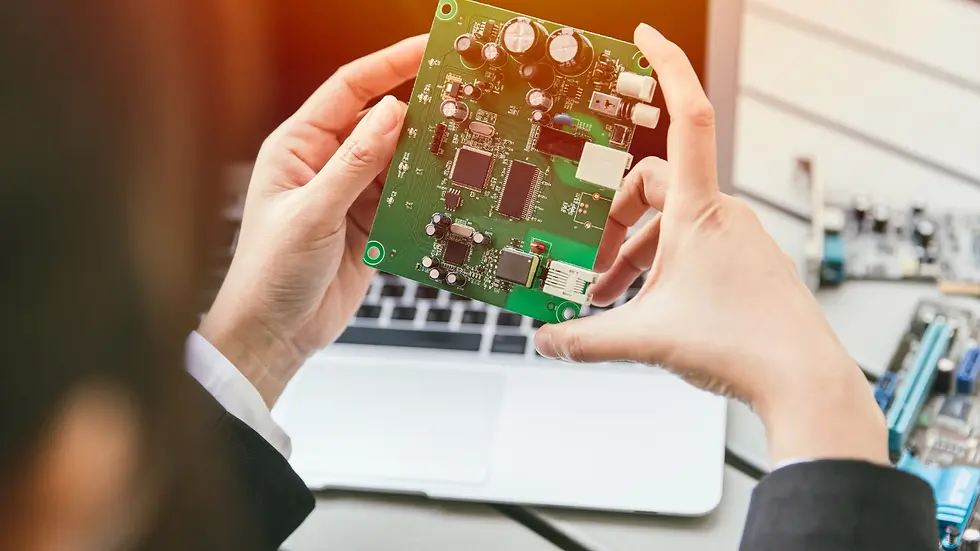
Each new component value, footprint, or package type adds programming time, feeder changes, and more complex inventory management. By standardizing where possible, you create a lower-cost PCB assembly environment without touching the quality of your design. Fewer variations mean fewer line changeovers, lower risk of placement errors, and easier testing, all of which contribute to PCB production cost optimization.
This type of simplification is especially important in high‑mix, low‑volume manufacturing, where setup effort can dominate overall PCB assembly costs.
Reduce Unnecessary Layers and Vias
Layer count and via strategy have a major influence on manufacturing cost, especially as volumes grow. While some complex boards truly need higher layer counts, many designs can be optimized to use fewer layers or more efficient routing. Reducing unnecessary layers, blind/buried PCB vias, or microvias where they are not critical can reduce PCB assembly price by lowering fabrication complexity and improving yields.
At the same time, a well‑thought‑out stack‑up helps maintain signal integrity and reliability so you do not sacrifice performance in the pursuit of low-cost PCB assembly.
Strategic Component Selections
Choosing components is about more than electrical characteristics; it also shapes cost, risk, and assembly speed. Strategic selections help reduce PCB assembly pricing by avoiding exotic packages that require special handling or manual operations. Preferring standard packages and commonly used values improves PCB assembly efficiency because pick‑and‑place machines can run faster with fewer changeovers.
In parallel, working with your EMS partner to check lifecycle status and alternates supports electronics manufacturing cost reduction and protects you from future obsolescence and redesign costs.
Minimize Manual Assembly Operations

When volumes grow, manual work usually becomes the slowest, least predictable, and most expensive part of the assembly process. Designing to minimize hand‑soldering, manual wiring, and rework helps achieve cost-effective PCB assembly without compromising quality.
For example, converting hand‑placed connectors to SMT versions or aligning components for automated insertion can reduce touch time dramatically. Every manual step you remove is a direct contribution to PCB assembly cost reduction and more predictable, repeatable production schedules.
Smart Sourcing and Production
Even the best design cannot deliver low-cost PCB assembly if sourcing and production strategies are inefficient. Smart sourcing starts with aligning your BOM with readily available, competitively priced, and consistent components across product variants.
Consolidating volumes and planning longer‑term orders can further reduce PCB assembly price by unlocking better pricing from distributors and manufacturers.
Combined with appropriate batch sizes and optimized build plans, this forms the backbone of PCB production cost optimization in real‑world conditions.

Improve SMT Placement Efficiency
SMT is often the heart of your assembly process, and improving its efficiency is key to SMT assembly cost reduction. Efficient feeder setup, logical panelization, and clear fiducials allow your EMS partner to run lines faster and with fewer stoppages.
Design decisions that align component orientations and use common packages directly impact PCB assembly efficiency on the line.
As a result, you not only reduce PCB assembly costs but also improve throughput, which is critical when scaling from prototype to volume production.
You May Also Read: How Much Does PCB Replacement Cost in 2026? A Complete OEM Guide
Leverage Technology
Modern assembly lines rely on advanced pick‑and‑place machines, inspection systems, and production software to maintain quality at speed. When you design with these capabilities in mind, you can tap into cost-effective PCB assembly without compromising on reliability or traceability.
Automated optical inspection (AOI), X‑ray inspection, and data‑driven process controls help cut defects and rework, leading to long‑term electronics manufacturing cost reduction.
Leveraging technology is therefore not just about speed; it is about consistent, repeatable quality at a competitive PCB assembly price.
You May Also Read: AOI vs. X-Ray Inspection: Which One is Right for PCB Assembly?
Strong Communication with Your EMS Partner
A good EMS relationship is not transactional; it is collaborative and continuous. Clear communication around forecast, design intent, acceptable alternates, and quality expectations is essential to ongoing PCB assembly cost reduction.
When your EMS partner understands your priorities, they can suggest design tweaks, sourcing strategies, and process improvements that reduce PCB assembly costs without affecting performance.
This ongoing dialogue also helps prevent last‑minute surprises that can inflate PCB assembly costs, such as urgent material changes or unplanned redesigns.
10. Market Analysis
Cost is always relative to alternatives available in the market. Conducting regular market analysis helps you understand where your PCB assembly pricing stands compared to similar services and technologies. Benchmarking different regions, technologies, and engagement models can reveal new opportunities for electronics manufacturing cost reduction.
By comparing quotes, lead times, engineering support, and service levels, you can select truly affordable PCB assembly services that deliver the right balance of cost and capability, instead of focusing on unit price alone.
You May Also Read: PCB Repair Cost Breakdown: What OEMs Need to Know
How do BOM Quality and Sourcing Strategy Control Costs?
Your Bill of Materials (BOM) is one of the strongest levers to reduce PCB assembly costs. A clean, well‑structured BOM with vetted alternates allows flexible sourcing, which supports PCB production cost optimization and protects your schedule. Poorly defined or over‑specified components, on the other hand, reduce options and increase PCB assembly costs through rush buys or niche parts.
By combining strategic sourcing, demand forecasting, and ongoing supplier relationships, you can achieve sustainable PCB assembly cost reduction across the lifetime of the product.
Common Mistakes That Increase PCB Assembly Costs
Many cost drivers are avoidable if you know where to look. Some common mistakes that work against cost-effective PCB assembly include late DFM engagement, excessive last‑minute design changes, and using too many unique components. Ignoring panelization, test strategy, or clear assembly notes also leads to rework and hidden PCB assembly costs down the line.
Proactively avoiding these pitfalls will naturally reduce PCB assembly pricing and improve the predictability of your manufacturing cycles.
How Can OEMs Balance Cost, Speed, and Quality in PCB Assembly?
For most OEMs, the real challenge is balancing cost, speed, and quality rather than maximizing only one. The right strategy for low-cost PCB assembly focuses on designing for manufacturability, choosing reliable yet economical components, and aligning volumes with realistic schedules.
By integrating engineering, supply chain, and manufacturing decisions early, you create a framework for PCB production cost optimization that still hits performance and compliance targets. This is how you achieve SMT assembly cost reduction and higher PCB assembly efficiency without trading away quality or time‑to‑market.
How A2Z Electronics Helps Reduce PCB Assembly Costs Without Sacrificing Quality
An experienced EMS partner such as A2Z Electronics LLC can be a key driver of PCB assembly cost reduction for OEMs looking to scale. With robust processes, engineering support, and a focus on manufacturability, the right partner helps you reduce PCB assembly pricing through better design practices, optimized sourcing, and efficient production.
By offering affordable PCB assembly services that still meet stringent quality and reliability requirements, such a partner enables you to stay competitive in demanding markets. When cost, speed, and quality all matter, this combination of technical expertise and process discipline is essential for sustainable PCB assembly cost reduction.
You May Also Read: Why Choose A2Z Electronics for PCB Assembly Services in Illinois?
Conclusion
Reducing your PCB assembly costs without compromising quality is absolutely achievable with the right strategy. By focusing on DFM, smarter BOM management, process automation, and close collaboration with your EMS partner, you can consistently reduce PCB assembly price and deliver robust products to market.
In a competitive landscape, those who treat manufacturing as a strategic advantage and invest in PCB production cost optimization will be best positioned to grow and innovate.
Get in touch with us for all your PCB assembly needs.
FAQs
Q1. What increases PCB assembly cost the most?
In most projects, the biggest driver of PCB assembly costs is the Bill of Materials (BOM) expensive, specialized, or hard-to-source components add up quickly. Board complexity also matters: high layer counts, dense layouts, very small parts, and double‑sided assemblies all push costs higher due to more setup, process steps, and inspection effort.
Q2. How can I reduce PCB assembly costs without lowering quality?
You can reduce PCB assembly costs without touching quality by designing for manufacturability (DFM), standardizing components, and avoiding unnecessary layers or manual touch‑ups. Early collaboration with your EMS partner on DFM and sourcing, plus realistic planning of volumes and lead times, delivers sustainable PCB assembly cost reduction instead of one‑off savings.
Q3. Does component package size affect PCB assembly pricing?
Yes, component package size and type can directly influence PCB assembly pricing. Extremely small passives and fine‑pitch parts, as well as BGAs and LGAs, typically cost more to assemble because they demand tighter tolerances, more precise equipment, and often more inspection.
Choosing standard, assembler‑friendly sizes can help keep low-cost PCB assembly realistic without redesigning the circuit.
Q4. How do I choose a low-cost PCB assembly partner without risking quality?
Look beyond unit price and evaluate capabilities, engineering support, certifications, and process transparency when selecting a PCB assembly service provider Ask about DFM support, test strategy, typical yields, handling of alternates/ECOs, and how they scale from prototypes to production; a partner who can answer these clearly is more likely to keep PCB assembly costs low while maintaining reliability.


